
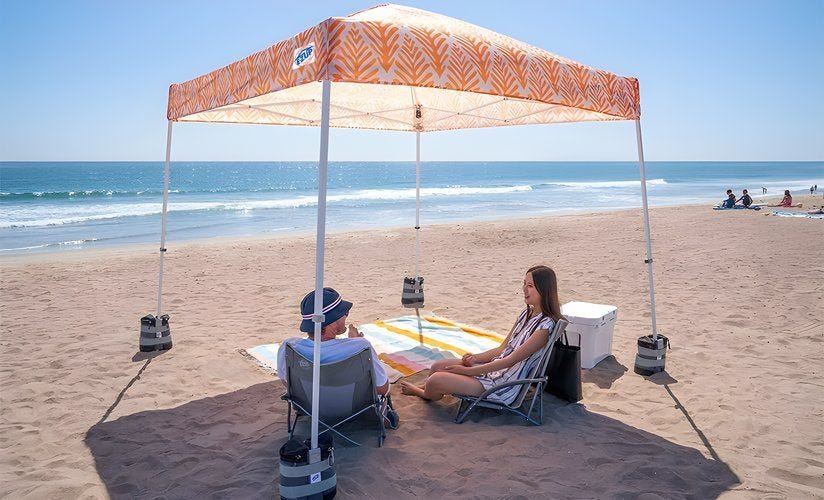
Step outside for a full day event and you feel it within the first hour. The sun is not just warm, it slowly wears you down. For trade shows, outdoor markets and a variety of other settings, shade is not just about comfort. It plays a direct role in how well you get through the day.
This is where a UPF 50+ canopy tent starts to matter. It is a term that shows up often when comparing options, but it is not always clearly understood. What does it actually mean, and does it make a real difference when you are spending hours under it?
What Does UPF 50+ Actually Mean?
UPF stands for Ultraviolet Protection Factor. It measures how much ultraviolet radiation a fabric can block before it reaches the surface underneath.
A canopy tent with a UPF 50+ rating blocks about 98 percent of harmful UV rays, allowing only a small amount to pass through. Lower ratings offer less protection.
- UPF 15 blocks around 93 percent
- UPF 30 blocks around 96 percent
- UPF 50+ blocks around 98 percent
At a glance, the difference may not seem significant. Over several hours outdoors, it becomes noticeable. UV exposure builds gradually, and by the time you feel the effects, the damage has already been done.
Why UV Protection Matters Beyond Basic Shade
Not all shade offers the same level of protection. A standard canopy may reduce direct sunlight, but it can still allow UV rays to pass through the fabric, especially during peak hours.
A UV protection pop up canopy tent is designed to address this. The difference becomes clear during long outdoor setups. The space underneath stays more comfortable, people are able to spend more time there, and anything kept under the canopy is less exposed to direct heat and light.
Over time, this is why many setups move away from basic tents and choose options with proper UV-rated fabric.
Where UPF 50+ Makes the Biggest Difference
Outdoor events and festivals often run for several hours under direct sun. A canopy with proper UV protection creates a space that people are more likely to step into and stay in.
Trade shows and outdoor promotions benefit in a similar way. A setup that feels cooler and more comfortable naturally holds attention longer.
Markets and pop up retail setups depend on people slowing down and engaging. A well-shaded space makes that easier.
In field conditions or on-site work, reliable overhead protection is not optional. A canopy with a UPF 50+ rating supports longer working hours without constant exposure.
Not All Canopy Tents Offer the Same Protection
A canopy can look sturdy and still offer limited UV protection if the fabric is not properly rated. When comparing options, it helps to look beyond the frame and focus on the material itself.
- Check if the canopy is rated UPF 50+
- Look for clear mention of UVA and UVB protection
- See whether the fabric has been tested rather than described in general terms
At E-Z UP, UV protection is built into the design of key shelter models. The Eclipse series, for example, blocks up to 99 percent of harmful UVA and UVB rays, offering a consistent and tested level of coverage.
What Makes a Good Sun Protection Canopy Tent
A high UPF rating is important, but it is only one part of the equation. The overall build and material quality also play a role in how well a canopy performs over time.
- UPF rated fabric ensures reliable UV blocking
- Heavier fabric tends to hold its performance longer with repeated use
- A strong frame supports stability and consistent setup
- Sidewalls help extend coverage when the sun shifts during the day
When these elements come together, the canopy does more than create shade. It provides dependable protection throughout the day.
Why E-Z UP Sets the Standard
UV protection is not treated as an added feature. It is built into the product from the start. The Eclipse canopy is designed to block 99 percent of UVA and UVB radiation while maintaining durability for repeated outdoor use.
The frame construction supports frequent setup and takedown, and the materials are chosen to maintain performance over time. Custom printing options are also handled in-house, allowing the entire setup to stay consistent in both function and appearance.
Closing Thought
The distinction between a UPF 50+ canopy tent and a conventional shade option becomes clearer as the day progresses. The way the area feels, how long people remain, and how well everything under the canopy holds up are all indications of this.
UV protection is not an additional feature for setups that spend a lot of time outside. It is something to think about from the beginning.
FAQs
What does UPF 50+ mean on a canopy tent?
It means the canopy fabric blocks about 98% of harmful UV rays. It's the recommended standard for anyone spending extended hours outdoors under direct sun.
UPF 50+ vs regular shade. What's the difference?
Regular shade blocks direct sunlight but still allows UV radiation through the fabric. A UV protection pop up canopy tent rated UPF 50+ actively blocks UV at the fabric level, which is what actually prevents the damage that builds up over a long day.
Do canopy tent sidewalls also offer UPF 50+ protection?
It depends on the brand. Our E-Z UP sidewalls are made from the same UV-blocking fabric as our canopy tops. Always check the product specs rather than assuming as not all brands apply the same standard across their accessories.
Which canopy tent fabric has the highest UV protection?
Commercial-grade polyester engineered or treated for UV blocking. Our Eclipse™ fabric is rated to block 99% of UVA and UVB rays, above the UPF 50+ threshold and one of the highest standards available in the category.
Does a darker canopy provide better UV protection than a lighter one?
Not all the time. Color doesn't matter, the UPF rating does. A light-colored canopy with the right UPF 50+ fabric will work better than a dark, unrated one. The color of a cloth impacts how much heat it absorbs, while the fabric it is made of decides how well it blocks UV rays.